

The Loyalty Algorithm Paradox
How Platforms Learned to Sell Your Convictions Back to You

When police confirmed there was no basement beneath Comet Ping Pong, believers didn’t back down.
They doubled down.
The debunk became proof of a deeper plot.
They’d spent months cross-posting red-string logic to Facebook groups, explaining the theory to sceptical relatives over dinner, mapping connections on bedroom corkboards. When the story collapsed, they became its fiercest defenders.
The same wiring runs through other movements. Anti-vaccine activists who once vaccinated their own children now recruit others to refuse. QAnon believers cut off loved ones to protect what they’d built. At the Capitol, some rioters said they weren’t defending a claim but “what I’d invested in.”
Why do people defend their deceivers, not despite evidence but because of it?
To understand why contradiction strengthens belief, you have to see what the system is built to reward.
The answer is the Loyalty Algorithm. Not a single line of code, but a system that turns engagement into identity, and identity into something that feels like conviction yet functions like infrastructure.
It is designed to hold you in place.
The Psychological Process
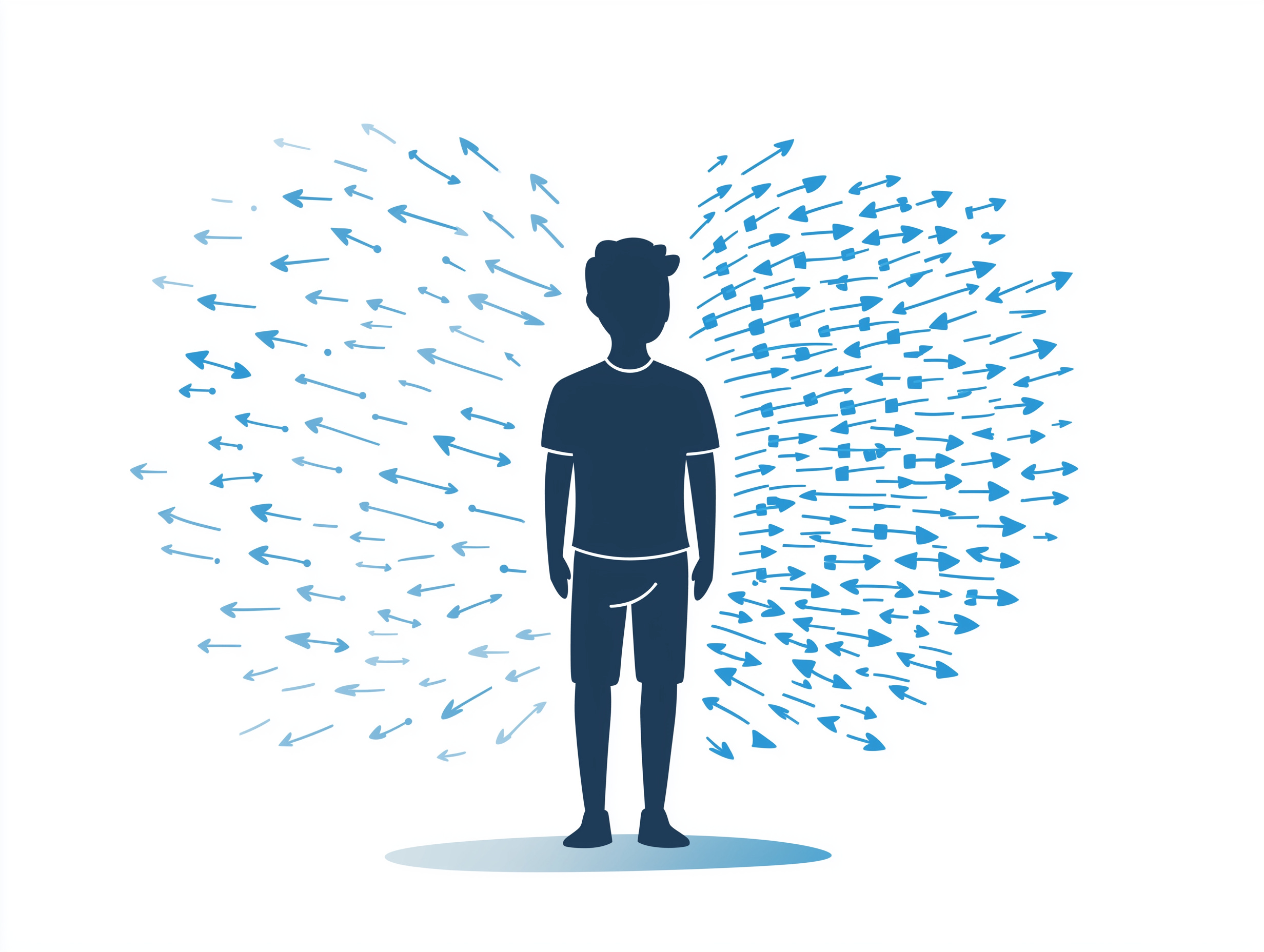
The transformation happens in three movements, each one building structural dependency.
Discovery. Someone encounters content that explains what confused them. This could be a nervous voter scrolling through post-election rumours sees a post promising the real story behind the irregularities. Or a parent searching for answers about a child’s illness finds a video about vaccine ingredients.
Confusion is friction and pattern is relief. The algorithm doesn’t need to convince anyone of anything. And it never does. It just needs to provide pattern where there was chaos.
Guillaume Chaslot, a former Google engineer, ran an independent analysis in 2019 suggesting that roughly 80% of videos recommended after an initial conspiracy video were more conspiracy content.
Not because YouTube wanted radicalization. Because confused people clicking explanatory content generated engagement, and engagement was what the system optimized for. The first public defense of the idea raised psychological stakes.
What started as curiosity became investment.
Integration. The narrative becomes a lens for processing everything new. QAnon’s deliberately vague posts required followers to construct meaning from fragments.
This has never been passive consumption. It was cognitive labour that made the framework feel earned rather than received.
Researchers found followers spending over six hours daily connecting dots. This is work that the brain eventually processes as reward. Brain imaging studies show that challenges to identity-linked beliefs activate regions associated with physical threat.
The distinction between attacking ideas and attacking self collapses at the neural level.
Defense. By this stage, you’re defending identity, not facts. Legal analysts reviewing Capitol riot testimony noted defendants describing not the defence of specific claims but “what I’d committed to.”
Former flat earthers reported leaving the community felt like self-destruction. The more someone had publicly argued a position, the more psychologically expensive abandoning it became.
Each movement changes how new information gets evaluated. By defense, contrary evidence isn’t just wrong. It proves the attack is working, which means resistance must intensify.
The systems don’t just reduce uncertainty. They grant belonging. In the absence of shared narrative, certainty becomes community.
The Technical Architecture
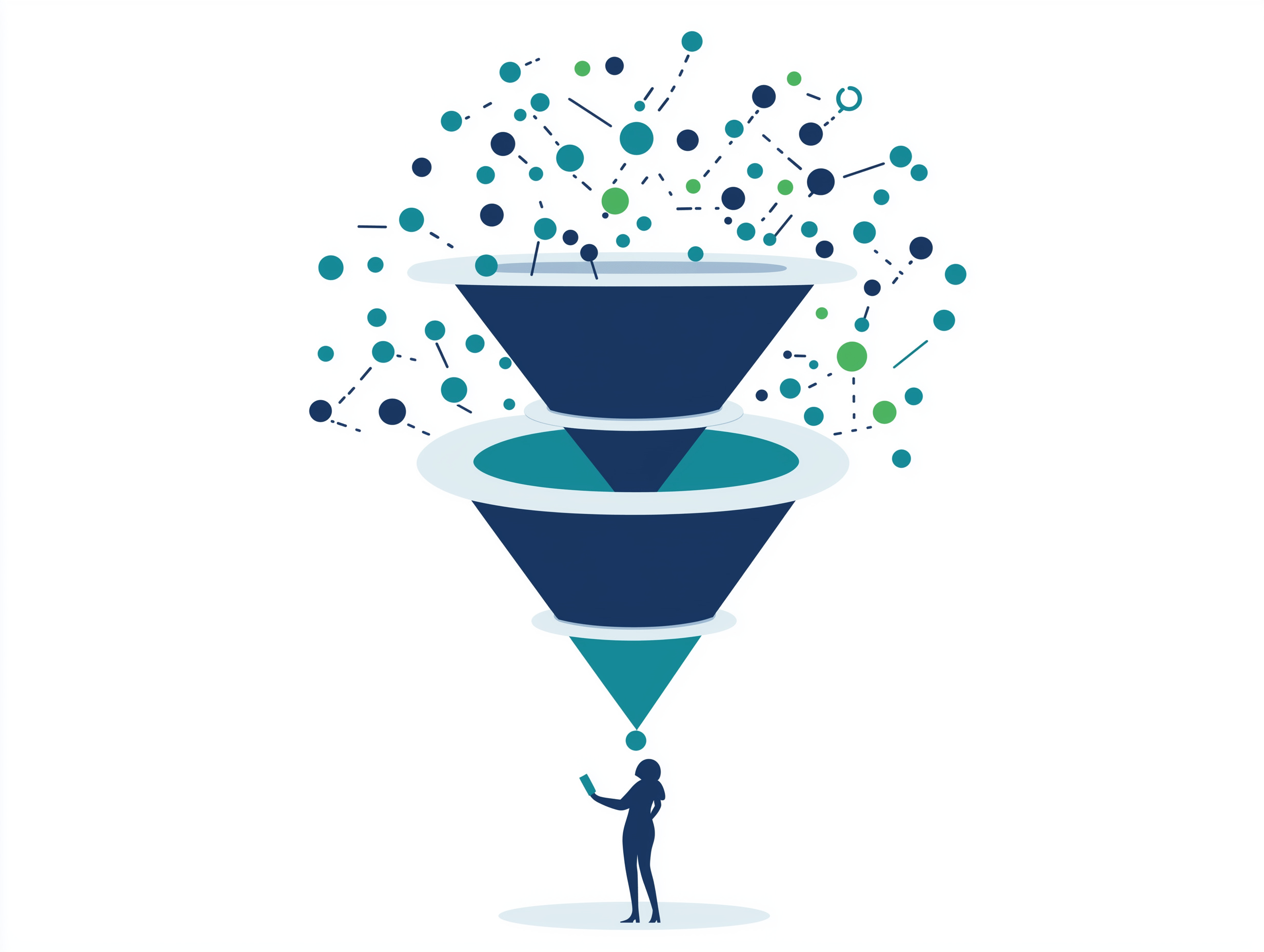
Three systems function as one as selection determines what you see. Validation determines what you feel. Isolation determines what you don’t see.
Facebook’s leaked 2018 internal research tracked a user interested in healthy eating. Within weeks, the recommendation algorithm had guided her toward anti-vaccine groups. Each click fed data into the system. The algorithm learned that health-conscious users drawn to alternative medicine groups stayed longer, so it served them more of what kept them active. Researchers found she quickly reached groups where nearly every post warned that vaccines were dangerous.
Meta knew this as internal memos debated whether to change the algorithm. They proceeded because divisive content could generate up to six times more engagement than neutral content. Not because Facebook wanted radicalization. Because the business model required time on platform, and conflict kept people there.
Selection surfaces content optimized for your engagement pattern. Validation rewards public commitment through unpredictable likes and shares. Isolation filters contrary information because dissent generates less engagement than confirmation.
These aren’t separate phenomena. Psychology and architecture operate as the same system at different levels. The algorithm doesn’t create new psychological vulnerabilities. It industrializes existing ones. As engagement models scaled, what once required years of social conditioning began happening in months of algorithmic exposure. Loyalty has been accelerated, if not fully automated, at the speed of code.
A War Of Framing
If the mechanism is this clear, why don’t we regulate it? Because we can’t agree on what to call it. And what we call it determines who’s responsible.
We have many names for this phenomenon. “Echo chambers” implies users self-select into bubbles. “Addiction” suggests psychological disorder requiring treatment. “Radicalization” points to individual susceptibility. Each term locates the problem somewhere different.
Everyone defends their jurisdiction through language. Engineers call it optimization. Psychologists call it compulsion. Academics call it discourse. Platforms call it user choice.
Facebook’s internal documents show how this plays out. Technical research used “algorithmic amplification” while public communications shifted toward “echo chambers.” The change consistently benefited the company, intentional or not. Amplification implies the platform actively promotes content. Echo chambers implies users choose what they want to hear. One creates liability. The other deflects it.
Every label is a policy in disguise. And every policy hides a fear: of blame, regulation, or collapse.
If it’s a syndrome, you treat individuals. The platform remains unchanged because the platform isn’t the problem. Psychology is. If it’s an algorithm, someone designed it. Someone deployed it. Someone profits from it. Calling it an algorithm makes culpability explicit. It transforms a psychological phenomenon into an engineering choice. You can’t regulate human nature. You can regulate code.
Frances Haugen sat in the sterile glow of a congressional hearing in 2021, describing how Facebook’s algorithm intentionally amplified divisive content while the company claimed legal protection as a neutral platform. Courts now face the distinction: hosting content versus recommending it. Only one involves algorithmic design. That difference will decide whether trillion-dollar platforms face regulation or remain legally untouchable.
At the very core of it, there is more than one guilty party in this, yet we each choose the language that absolves our own complicity while maximizing everyone else’s.
The Exploitation
While we haggle over definitions, the terrain is no longer physical. Platforms built it for profit. Adversaries rent it by the click.
Advertising demands attention, and attention fattens on conflict. Facebook’s internal memos from 2018 show executives debating whether to prioritize content that generated “meaningful social interactions.” They knew this meant more divisive posts. They did it anyway. Divisive content could generate up to six times more engagement than neutral content. The company didn’t need to plot radicalization. The metrics did it for them. Loyalty optimization became the default setting of profit.
Adversaries didn’t need to build new systems. They just fed content into the ones already running. They didn’t hack the system. They simply understood it before we did.
The Internet Research Agency’s 2016 operations, documented in the Mueller Report, reached 126 million Americans. Not through sophisticated bot networks. Through Facebook’s recommendation algorithm doing what it was designed to do: amplify whatever provoked emotion fast enough to click. Russian operatives created pages and posted content. Amplification was automatic. What began as a set of harmless engagement metrics quietly metastasized into a self-correcting feedback organism, alive, responsive, and as indifferent to truth as gravity. It weaponized the ordinary.
By the time IRA content reached wide audiences, most distribution came from authentic American accounts who believed they’d discovered the information themselves. The algorithm laundered foreign influence through domestic credibility. A Russian post claiming election fraud looked suspicious. Your neighbour sharing it looked like genuine concern. The machinery converted attribution into authenticity.
The algorithm doesn’t distinguish between a foreign troll farm and the exhausted parent doom-scrolling at midnight. It just optimizes both.
The tactics were simple. Post at peak hours. Use emotional triggers that travel. Feed both sides of an argument so division wins either way. It worked because outrage feels like participation.
Russia discovered the method first, but China, Iran, and others learned fast. Traditional influence campaigns once took years. Algorithmic ones need only weeks. The loyalty infrastructure that took Facebook a decade to build became operational for adversaries the moment they understood its reward structure.
It took billions and a decade to build the machine. Adversaries hijacked it with a laptop and Wi-Fi line.
The same system that sells belonging now sells belief.
The post that keeps someone scrolling, whether it’s sneakers or conspiracy, wins the same reward cycle. Profit built the weapon, but denial kept it armed. By the time we recognized what we’d built, loyalty had replaced literacy as the operating condition of public life.
The vulnerability isn’t gullibility. It’s that the machinery of loyalty will serve anyone who can make it feel, and in doing so, it sells identity itself as the product. It’s not information that’s under attack. It’s the shared sense that information could ever rescue us.
The Architecture of Conviction
Loyalty feels like conviction. Algorithmic manipulation feels like authentic discovery. Identity fusion feels like personal growth. This isn’t because people are stupid. It’s because the architecture is sophisticated.
The question isn’t whether you’ve been captured. The question is whether you’re willing to ask.
We built systems to maximize engagement. We discovered that maximum engagement looks like loyalty, and loyalty looks like conviction, and conviction looks like coordinated action by people who believe they’re acting independently. We didn’t set out to automate belief. We set out to hold attention. Yet once loyalty became the metric, conviction became the byproduct.
The algorithm doesn’t ask what’s true. It asks what holds you. And what holds you becomes what you defend, and what you defend becomes who you are, and who you are becomes load-bearing infrastructure you can’t dismantle without collapse.
This is what industrial-scale loyalty production looks like. Not persuasion. Not propaganda in the traditional sense. Something architecturally deeper. The conversion of engagement into identity into something that feels chosen but functions like code running beneath consciousness.
The algorithm doesn’t care what you’re loyal to. It only cares that you are.